
Tips for Family Adventures on the Wisconsin River
Sandbar Sleepovers, Marshmallow Memories, and Everything in Between
───────────────────────────────
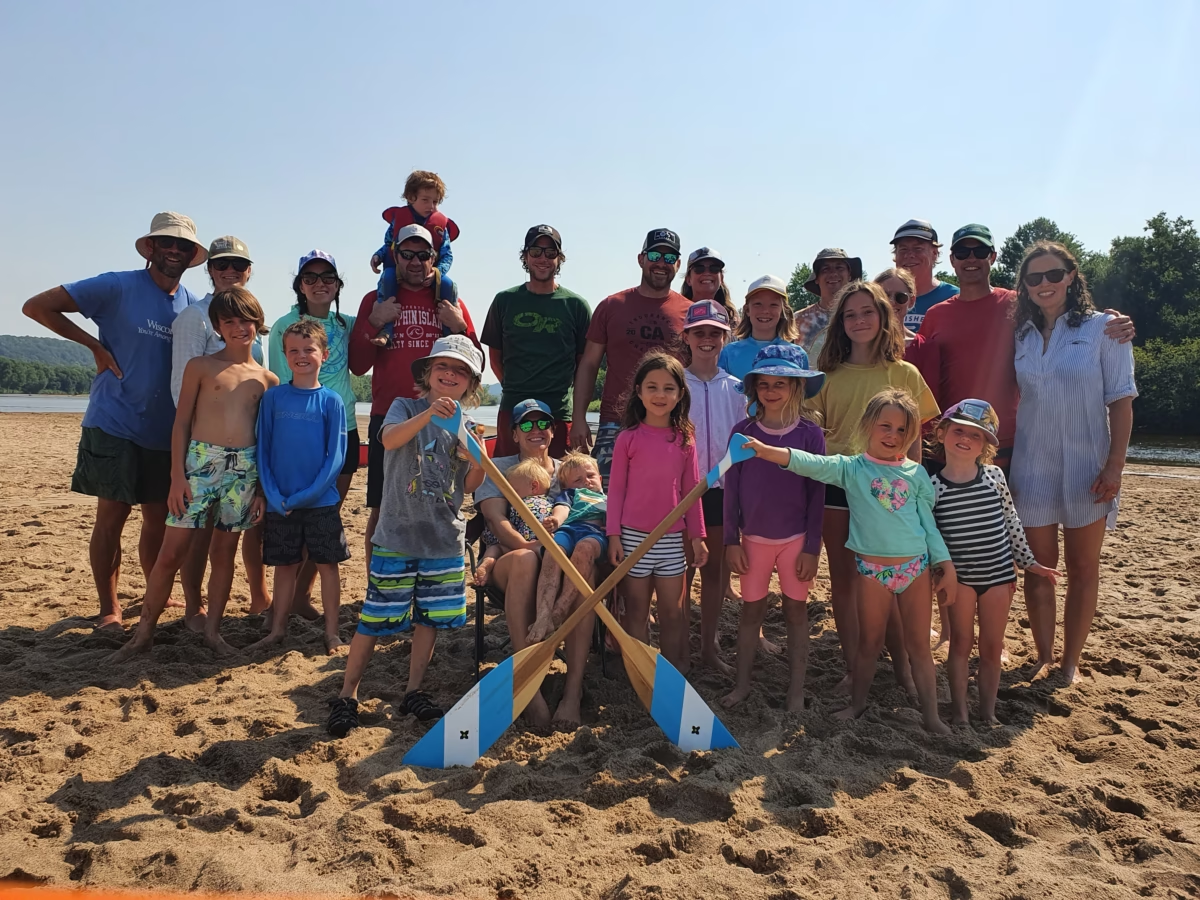
Thinking about a sandbar sleepover with kids in tow? You’re in the right place. The Wisconsin River is one of the Midwest’s best canoeing waterways and is perfect for family adventures, even with toddlers who think the canoe is their new jungle gym. Below, I’ve adapted our classic canoe camping guide with family-specific tips and tricks that keep safety front and center (while still leaving lots of room for fun). Let’s dive in!
CANOE CAMPING ON THE WISCONSIN RIVER
───────────────────────────────
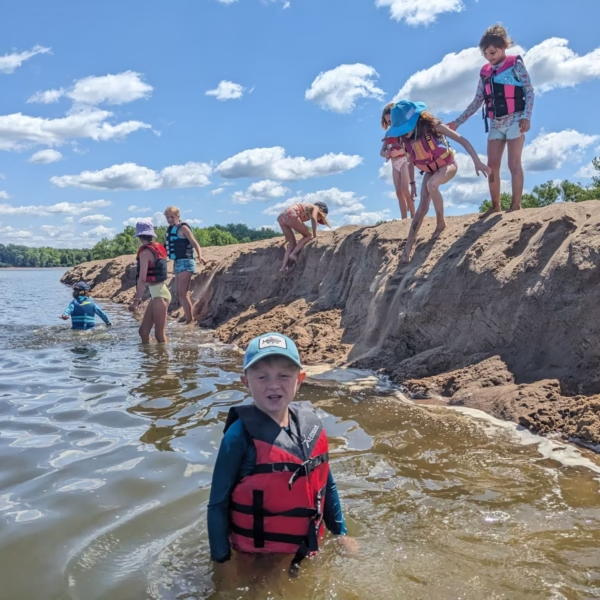
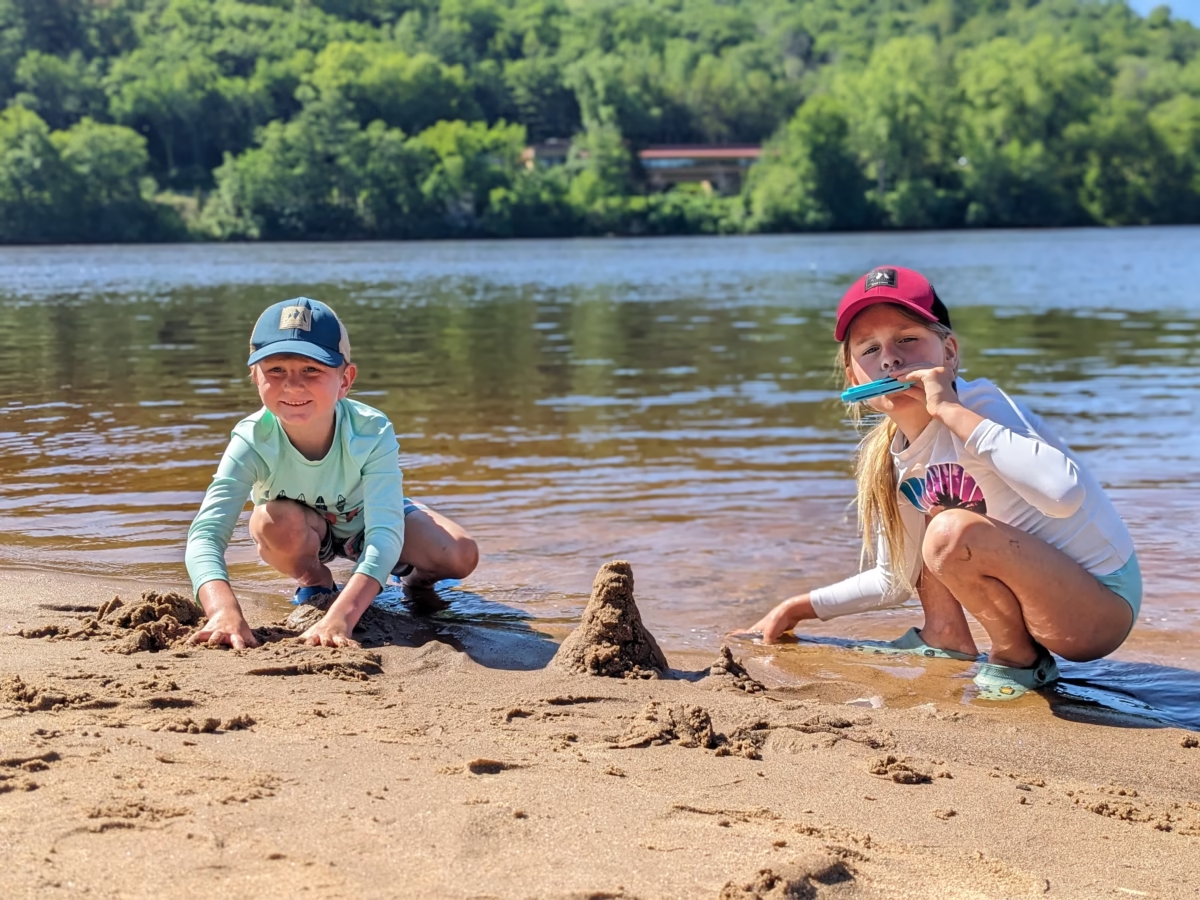
The Wisconsin River isn’t just an adventurer’s playground—it’s a family-friendly river that’s wide, sandy, and shallow in many places. The Lower Wisconsin State Riverway, spanning nearly 80,000 acres from Prairie Du Sac to the Mississippi, rewards curiosity and even the shortest attention spans. Sandbars double as nature’s playgrounds; whether it’s setting up a s’more assembly line, staging turtle hunts, or building sandcastles until sunset, there’s room for everyone to have their own adventure.
With water flowing and sandbars constantly shifting (and sometimes even doubling as a paddle obstacle course for your kids), you’ll want to be prepared. That preparation starts with the right gear.
EQUIPMENT
───────────────────────────────
Your everyday camping gear works well on the river. Canoes are about the size of a large trunk, so there’s plenty of space for both your gear and the kid-approved extras:
- Bring all the basics (tents, sleeping pads, etc.), plus those must-haves for little ones—extra clothes, sun hats, and a favorite stuffed animal.
- If you’re choosing between a fancy $300 backpacking tent and a big, budget-friendly option, opt for the latter. (Sand is relentless on zippers!)
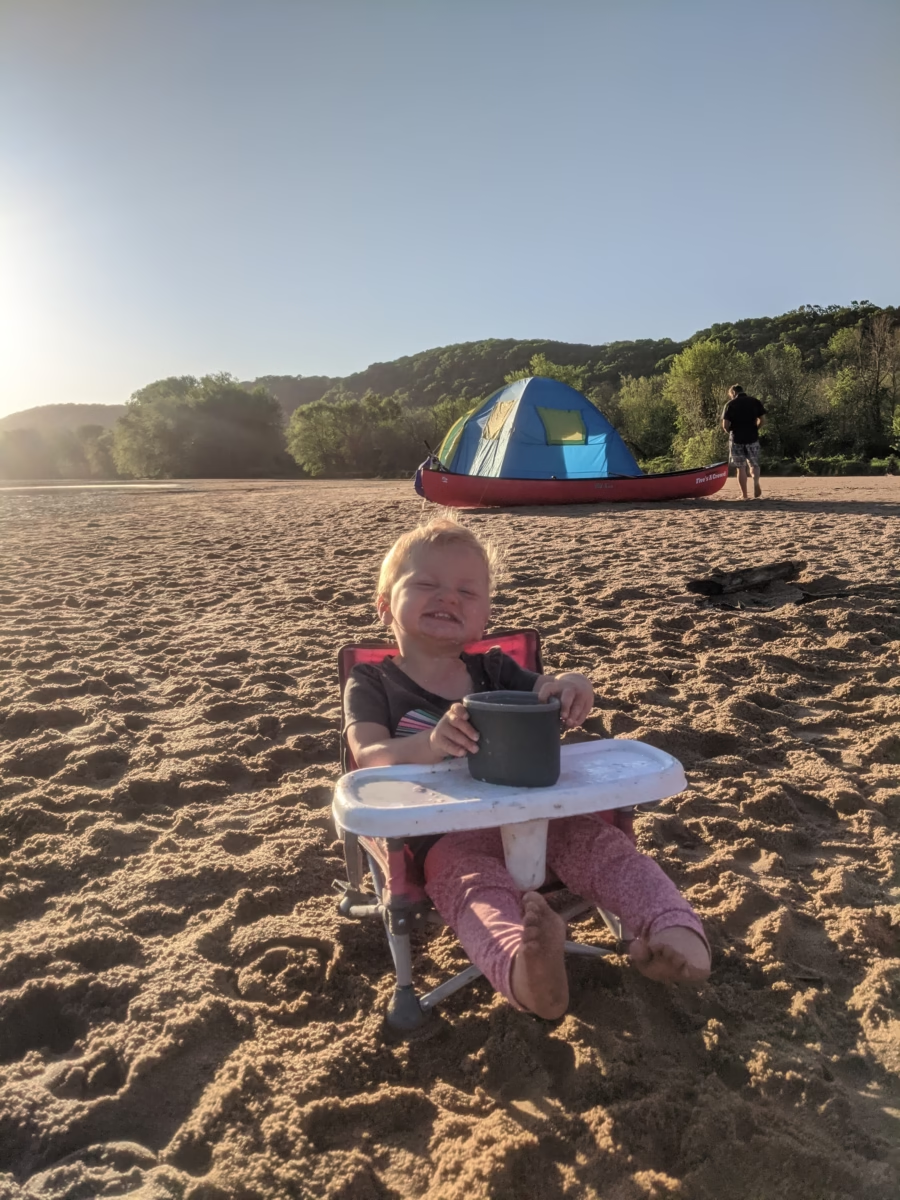
- Pack-n-plays fit in most family-sized tents and can be set up right on the sandbar.
- Foam sleeping mats are your friend. The kids will roll off them, of course, but they’ll start the night comfy. They also double as comfortable seating in the bottom of a canoe, as well as around the campfire.
- Comfortable life-jackets are essential. You’ll want them worn at all times while in the water.
Pro tip: Let kids “help” set up camp: putting tent poles together, digging a firepit, letting them find flat ground for their sleeping spot.
Figuring out how to best fit your family into canoes and kayaks is probably one of the biggest challenges to this endeavor. Fitting two adults and two children still small enough to sit side by side is usually doable in a single canoe if you pay attention to packing light. We’ve personally done three kids, with the smallest up in front of the bow paddler (mom), but figure this won’t be an option when they’re more than 5 years old. Two adults and a single child could probably be done in one canoe indefinitely, certainly until your child (or a parent) is ready to take on a kayak.
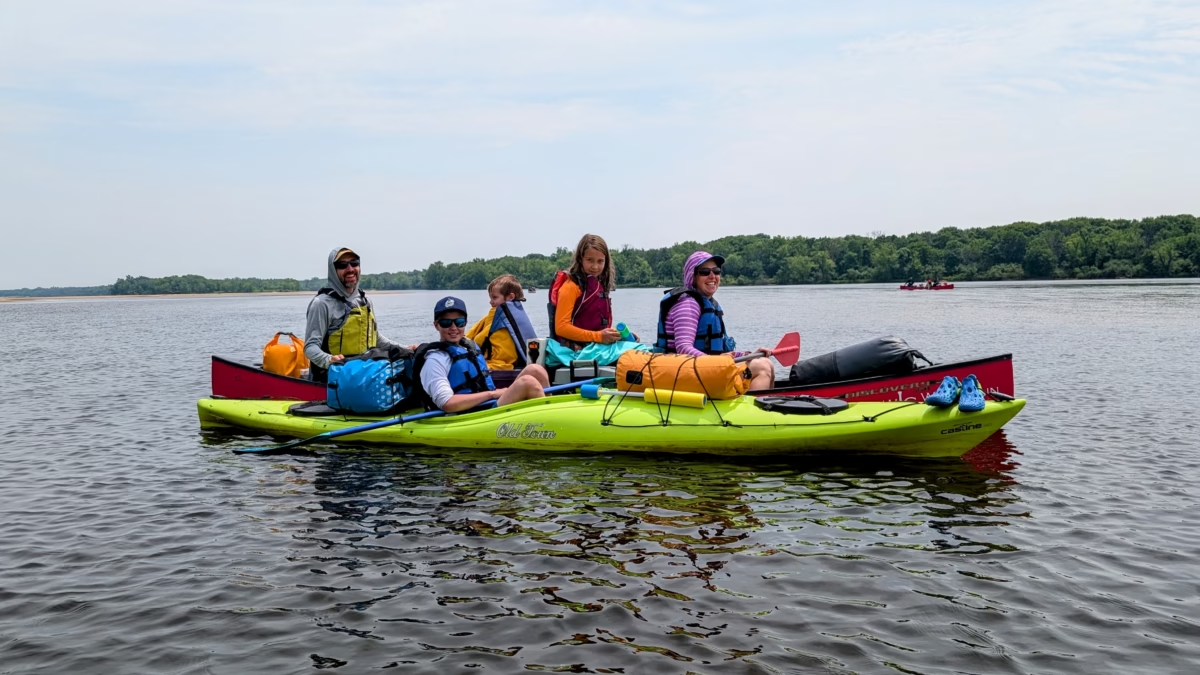
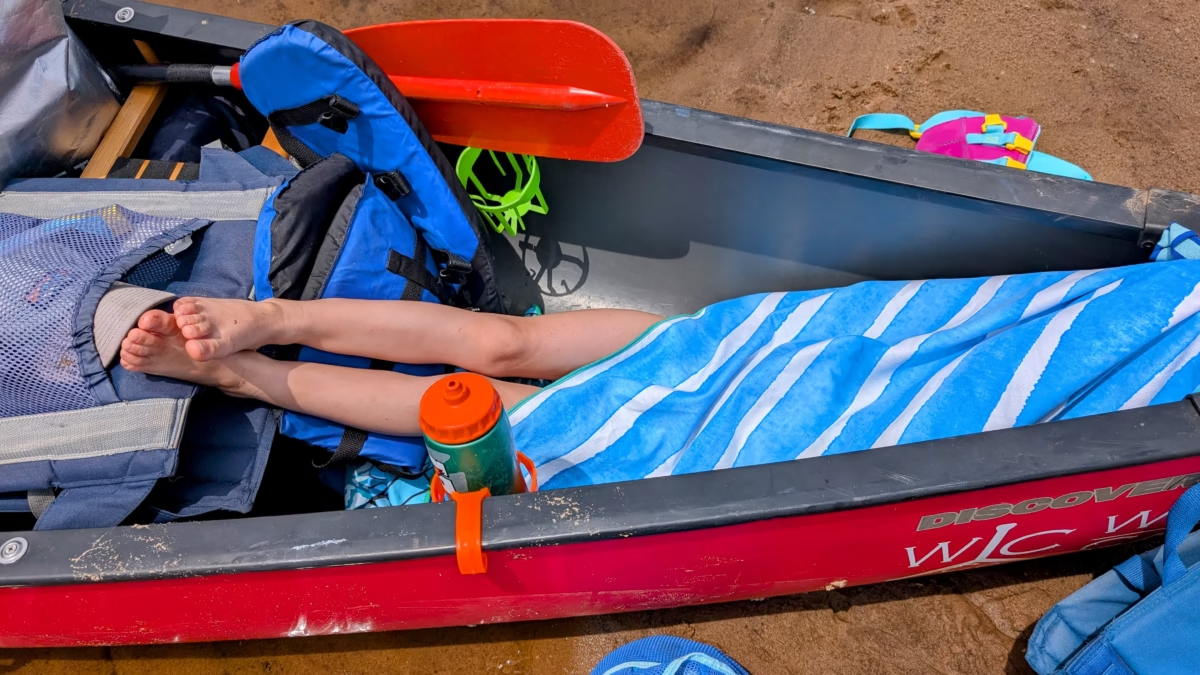
The 7-12 year old age range is when things can get tricky. Two canoes is the most comfortable if you have two parents with a strong j stroke (to keep the boat going straight) or have the patience to paddle twice as far (when you can’t keep the boat going straight). The older the kids, the more likely they’ll be able to pull their weight up front. Speaking of weight, you’ll want to keep the canoe as level as possible so moving heavier items up front, like the cooler, is ideal. Even adding sand to the bow of the boat is better than nothing if you’re facing a headwind and a weak or small bow paddler.
This is also the age range when you could start to consider having a child in their own kayak if parents aren’t confident in their canoe handling skills. Controlling a kayak is much, much easier and, worst case, is easy to tow with an elastic strap/bungee cord if they get tired. Plus, getting someone into a kayak, even if the kayak itself doesn’t have much storage, opens up a lot more space in the canoe.
Kids 13 and up should have no issues being in the bow seat of a canoe, and I’d bet a fair number could actually pick up stern handling quicker than their parents.
FOOD + WATER
───────────────────────────────
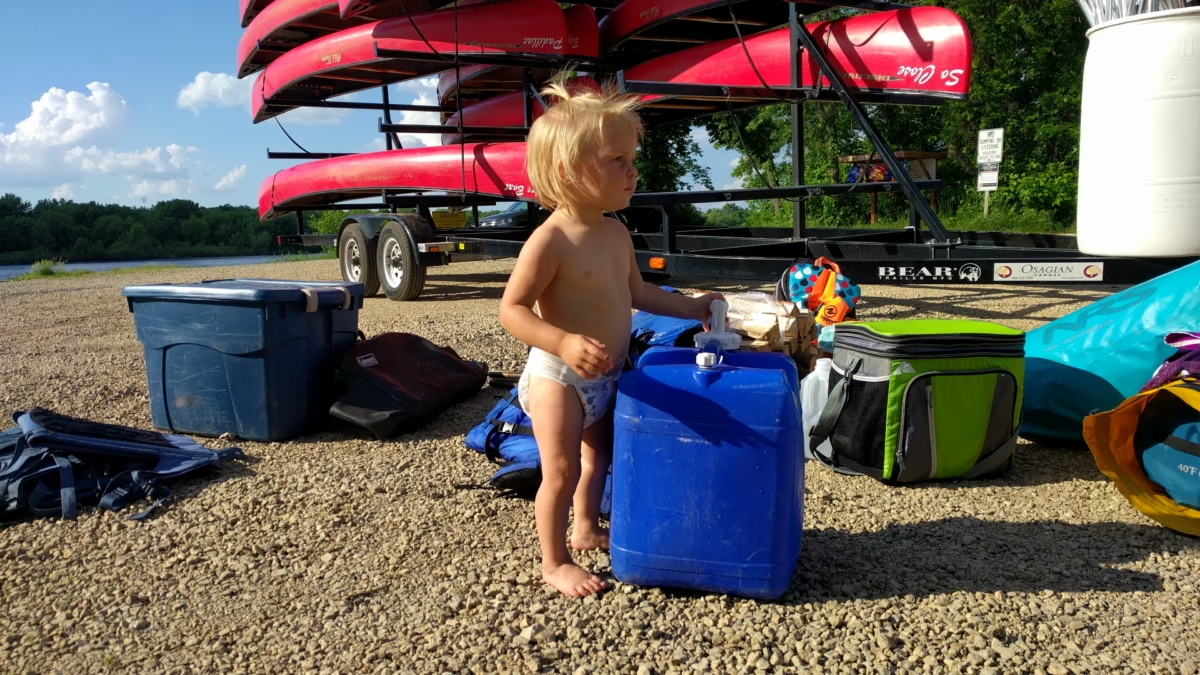
When you’re out on the river, extra water and doubling the snacks are a must—kids work up an appetite (and thirst) quicker than you’d expect. Not to mention the copious amounts of water that will be spilled when they ‘help’.
- Bring along your own drinking and cooking water. Large storage bags or hard-sided containers are both solid choices; keep in mind that river water, while drinkable, picks up sand and tannin, which can shorten your filter’s life. Plan on about a gallon per person per day for cooking and drinking.
- For meals, think easy: pre-made sandwiches, granola bars, fruit, and juice boxes work just as well on a sandbar as they do at the kitchen table. Anything that doesn’t melt fast or require a two-hour prep window is a win here.
- Don’t forget wipes, towels, and a “no sand in snacks” rule, though let’s be honest, will be broken in the first 20 minutes.
CHOOSING A CAMPSITE
───────────────────────────────
The DNR doesn’t require permits or fees for camping and that includes our beloved sandbars. However, family camping calls for a few extra considerations:
- Aim for a campsite in the middle of the river and away from trees or overgrown grasses. This helps minimize pesky mosquitoes and gives the kids a safe, self-contained area to explore.
- Choose a sandbar with a shallow back bay or gently sloping edge for safer wading with little ones.
- If possible, find a spot with a bit of natural “privacy” (a small stand of trees and grass) that can serve as a designated bathroom area and point it our to the kids (as if they hadn’t already let you know they needed to go).
- Make the tent a “home base” and set boundaries early: “no going past the big driftwood log without a grown-up.”
TAKING CARE OF ‘BUSINESS’
───────────────────────────────
Camp sanitation can be tricky when nature is your restroom. For the family-friendly approach:
- Consider a lightweight potty seat or bucket, this makes bathroom breaks easier and less “adventurous” for your kids.
- Explain the sandbar bathroom routine before you set off. A fun little pre-trip chat (“This is our secret potty spot!”) can help ease nerves and set expectations. If you’ve got older kids worried about privacy, it might worth an inexpensive ‘toilet tent’.
- As always, practice Leave No Trace: dig a 6- to 8-inch hole for your business, cover it entirely, and (if you’re not packing out your toilet paper) be sure to bury it completely so there aren’t any surprise “landmines” for future adventurers.
WEATHER HAZARDS
───────────────────────────────
The Wisconsin River is as dynamic as it is inviting. Changing weather can mean rising water levels or shifting sandbars—so be prepared, especially when little ones are involved:
- Pitch the tent well above the waterline (at least 12 inches), the last thing you want is a “midnight canoe lesson” when the river rises. It might help to place a stick at the water’s edge as a playful yet practical gauge for water level changes.
- If you’re in doubt, always pitch your tent on higher ground and pull your canoe further onto the shore.
- Keep an eye on local forecasts. We’re usually able to predict significant water level changes a couple of days in advance, but for family trips, extra caution never hurts. Rescheduling in marginal conditions might be preferable making this a one and done trip.
- If you do get caught in a storm, maintain the appearance of calm, it’ll help younger kids stay calm(er) themselves. If still on the river, pull over to the shoreline and take shelter as best you can – under trees or bridges ideally, but even a tarp or rainfly will work. Most storms in our area pass in under an hour.
RULES AND REGULATIONS: FAMILY EDITION
───────────────────────────────
The Wisconsin River may be relaxed, but there are a few non-negotiables that ensure everyone has a great time:
- Bring garbage bags to pack out every scrap of trash, and that goes for kids’ snack wrappers too.
- No glass on the water. This means no glass bottles, no pickle jars, no glass leftover containers. Keep it safe to be barefoot.
- Keep fireworks and other noise-makers in check, a peaceful river is better for everyone’s nap time.
- Campfires are allowed, but keep safety in mind. Kids love them, but it’s for marshmallows not for running around. Set a clear “back from the fire” rule (bonus points for creative names like “the shoe line”).
- Alcohol is allowed but remember: family-friendly fun is best served with clear heads (and minimal hangovers on the paddle out).
EXTRA: SAFETY AND FUN FOR YOUNG FAMILIES
───────────────────────────────
I can’t stress this enough: safety on and around the river is paramount when little ones are involved.
- Life Jackets: Every child should wear a properly fitting life jacket at all times when in or around the water. Even good swimmers can get into trouble. Grown-ups, be good role models and wear yours too, at least while in the canoe.
- On the River:
– Always paddle where you can see each other.
– Teach kids a bit about “reading” the river—gentle V shapes mean safe, deep water; swirling currents or fast areas mean it’s time to steer clear.
– Stay away from downed trees and snags along the shoreline. - Around Camp:
– Set clear boundaries.
– Keep a close watch whenever the kids are playing near the water’s edge. Assign adults to 15 minute watches. - Games & Activities:
– Organize a nature scavenger hunt.
– See who can spot the first satellite or shooting star.
– Storytime by the campfire with bonus s’mores for best animal impression.
───────────────────────────────
Helpful links for more research and planning:
Packing List
Meal Ideas
River Conditions
Frequently Asked Questions
That’s it! Your family’s next canoe camping adventure is within reach—filled with safety, memories, and the kind of fun that even turns a sandbar into a special place. Happy paddling!